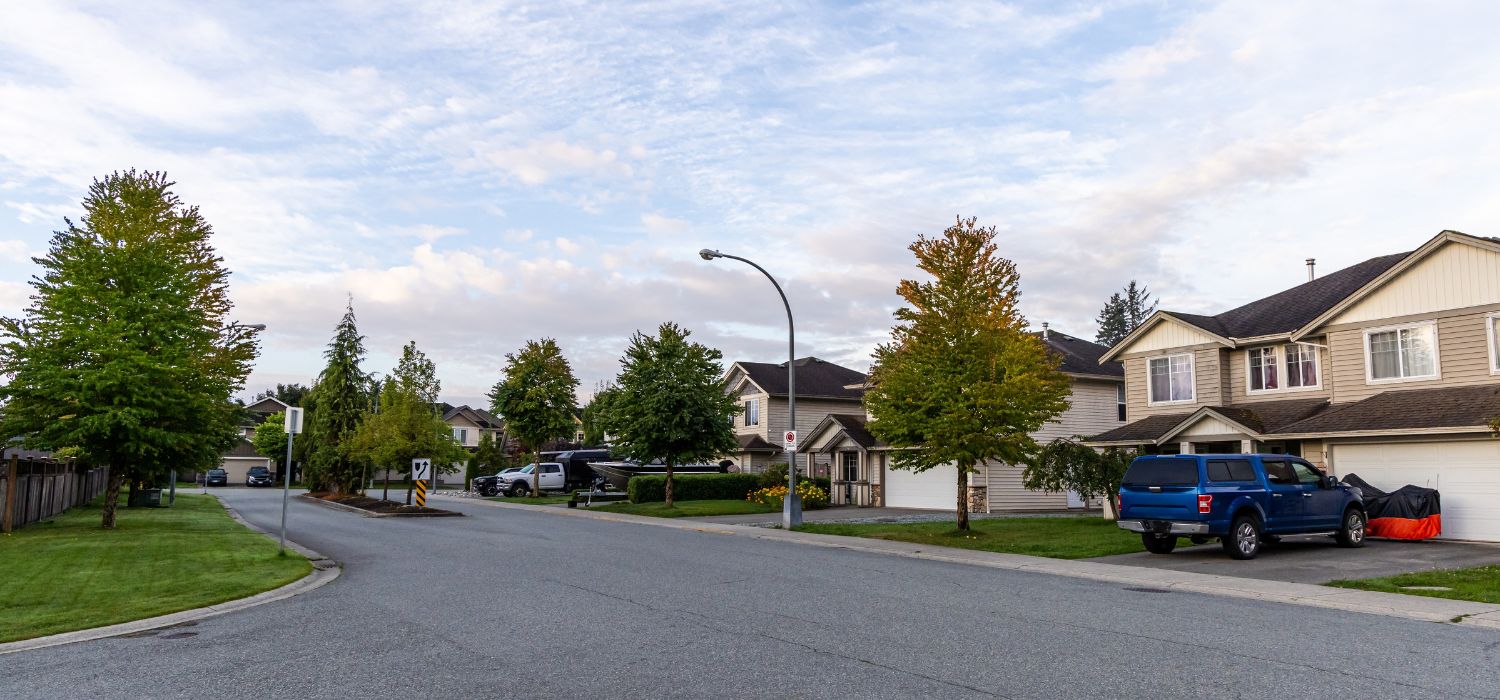
Healthy trees do more than make your home in Hickory, NC, or a surrounding area look great. Trees provide shade, block wind, and help keep your soil in place.
With proper tree care, you can help protect the structure and health of your trees, allowing them to continue adding beauty, safety, and value to your property. In this guide, we’ll cover how trees enhance curb appeal and property value, the tree services that keep them healthy, the impact of local conditions on tree growth, and much more.
Healthy trees enhance property value by improving first impressions, reducing cooling costs, and mitigating erosion and storm risk through their mature canopy structure and robust root systems. A sound tree canopy provides shading and scale that buyers notice immediately, while well-maintained trunks and branches signal long-term care that influences perceived maintenance costs and marketability.
Properly placed and maintained trees also contribute to privacy and screening, enhancing livability and outdoor room usability.
Healthy trees boost value by combining visual appeal with functional advantages that buyers value during a property assessment. Buyers often prefer mature, healthy specimens that provide shade and privacy because they signal a comfortable outdoor environment and lower future landscaping expenses.
Properly pruned trees that show clear scaffold structure and absence of decay also reduce perceived liability and maintenance burden, which can speed sale timelines. In Hickory’s market, trees that fit the lot and local streetscape frequently become selling points when visible from the curb or key living spaces.
Professional pruning and maintenance improve curb appeal by removing deadwood, correcting imbalanced crowns, and creating clean sightlines that showcase architecture and gardens. Techniques such as selective thinning, crown cleaning, and crown reduction preserve natural form while reducing storm-loading on stems and branches, which promotes longevity and safety. In contrast, improper pruning—flush cuts, topping, or excessive crown removal—can create weak regrowth, disease entry points, and unsightly shapes that undermine aesthetics. Regular maintenance preserves canopy health and appearance over seasons, ensuring trees remain assets rather than liabilities and setting the stage for strategic planting and landscape design decisions.
Tree care services address diagnosis, maintenance, hazard mitigation, and post-storm recovery through targeted interventions that protect both trees and property. Typical service steps begin with a health and risk assessment, proceed through corrective pruning or tree removal when necessary, and finish with stump grinding and cleanup that restore usable landscape space.
Each service targets different parts of tree anatomy—canopy, trunk, roots, or stump—and delivers distinct homeowner benefits tied to safety, aesthetics, and long-term cost avoidance.
A tree health and risk assessment defines the current biological condition and structural soundness of trees by examining canopy vigor, branch attachments, trunk decay, root displacement, and site factors. Assessors use observable indicators and risk-rating frameworks to recommend treatments, monitor schedules, or removal when hazards outweigh benefits. Deliverables typically include a prioritized action list, timeline, and rationale that assist homeowners and property managers in budgeting and compliance with local requirements. Early detection of decay or pest pressure through assessments reduces emergency removals, preserves value, and supports long-term landscape planning that protects the property investment.
Professional pruning follows species-specific timing and structural principles to promote healthy wound closure, correct codominant stems, and reduce storm-loading on vulnerable limbs. Proper techniques preserve the apical dominance and branch spacing that underpin strong architecture, while improper cuts can invite decay and create hazardous regrowth.
Regular tree trimming manages clearance for utilities and structures and shapes the canopy for optimal light penetration and aesthetic proportion. By choosing standards-based pruning, homeowners maintain visual balance between trees and homes while safeguarding the biological processes that sustain tree health.
ISA Certified Arborists bring knowledge of tree biology, structural pruning, and risk assessment that improve diagnosis and treatment choices compared with untrained approaches. Certification signals understanding of species-specific care, pest and disease indicators, and ethical standards for safety and customer communication.
When a trained arborist evaluates a tree, they consider its canopy, trunk, roots, and stump, and apply interventions that target the correct component for the desired outcome, reducing unnecessary removals and enhancing long-term health. For homeowners, working with credentialed professionals reduces liability, improves work quality, and ensures maintenance aligns with current arboricultural best practices.
Hickory’s climate, soils, and pest/disease pressures influence species selection, timing of maintenance, and the likelihood of specific problems such as fungal leaf diseases or borers. Local temperature patterns and rainfall affect root growth and water stress windows, while native and introduced pests create seasonal monitoring needs. Soil compaction and construction impacts near root zones alter nutrient uptake and anchorage, changing how arborists evaluate risk.
Homeowners should watch for signs like sudden canopy thinning, unusual leaf spots, D-shaped bore holes, and sap oozing from trunks, as these indicate pests or diseases that often require professional diagnosis. Many pathogens become active during wet spring conditions, while borers and wood-boring insects show activity in warmer months.
Basic prevention—avoiding late-season pruning that invites infection, maintaining tree vigor through proper mulching, and reducing mechanical root damage—reduces susceptibility. When visible decline appears, a certified arborist can distinguish treatable conditions from those requiring removal, helping owners avoid ineffective responses that may worsen outcomes.
A seasonal calendar tailored to Hickory includes spring inspections for leaf diseases and early pest signs, summer monitoring for drought stress and borers, fall cleanup and selective pruning for deadwood removal, and limited winter structural pruning for safety and planning. Timing pruning after flowering for ornamental species and avoiding pruning during peak pest pressure prevents unnecessary stress and spread of disease.
Trees help reduce heat gain by intercepting solar radiation and lowering surface temperatures, which lowers air conditioning demand in summer and creates cooler microclimates around homes. Deciduous trees placed on south and west exposures block summer sun while allowing winter solar gain, offering seasonal energy balance. Windbreaking evergreens on the north and northwest reduces winter heat loss, improving comfort and cutting heating demand. Together, these placement and species decisions yield measurable energy reductions and improved thermal comfort across seasons.
Trees can help reduce surface temperatures on roofs and walls, which directly decreases heat transfer into building envelopes and lowers air conditioning run time. Studies and energy models indicate that properly placed trees can also help reduce residential cooling costs by a notable percentage, depending on canopy size, orientation, and proximity. Homeowners in Hickory typically see the most benefit from east and west shade that blocks low-angle sun.
Moreover, trees can help improve your comfort outdoors—making patios and play areas usable during hot months. Combining cooling benefits with aesthetic and property-value effects makes trees a high-return landscape investment.
Healthy trees significantly enhance the beauty and value of Hickory properties by providing shade, improving curb appeal, and reducing energy costs. Engaging professional tree care services ensures that these benefits are maximized through proper maintenance and expert guidance. Homeowners are encouraged to prioritize tree health to safeguard their investment and enjoy a vibrant landscape.
Granite Falls NC 28630
Mon - 24 hours
Tue - 24 hours
Wed - 24 hours
Thur - 24 hours
Fri - 24 hours
Sat - 24 hours
Sun - Closed